
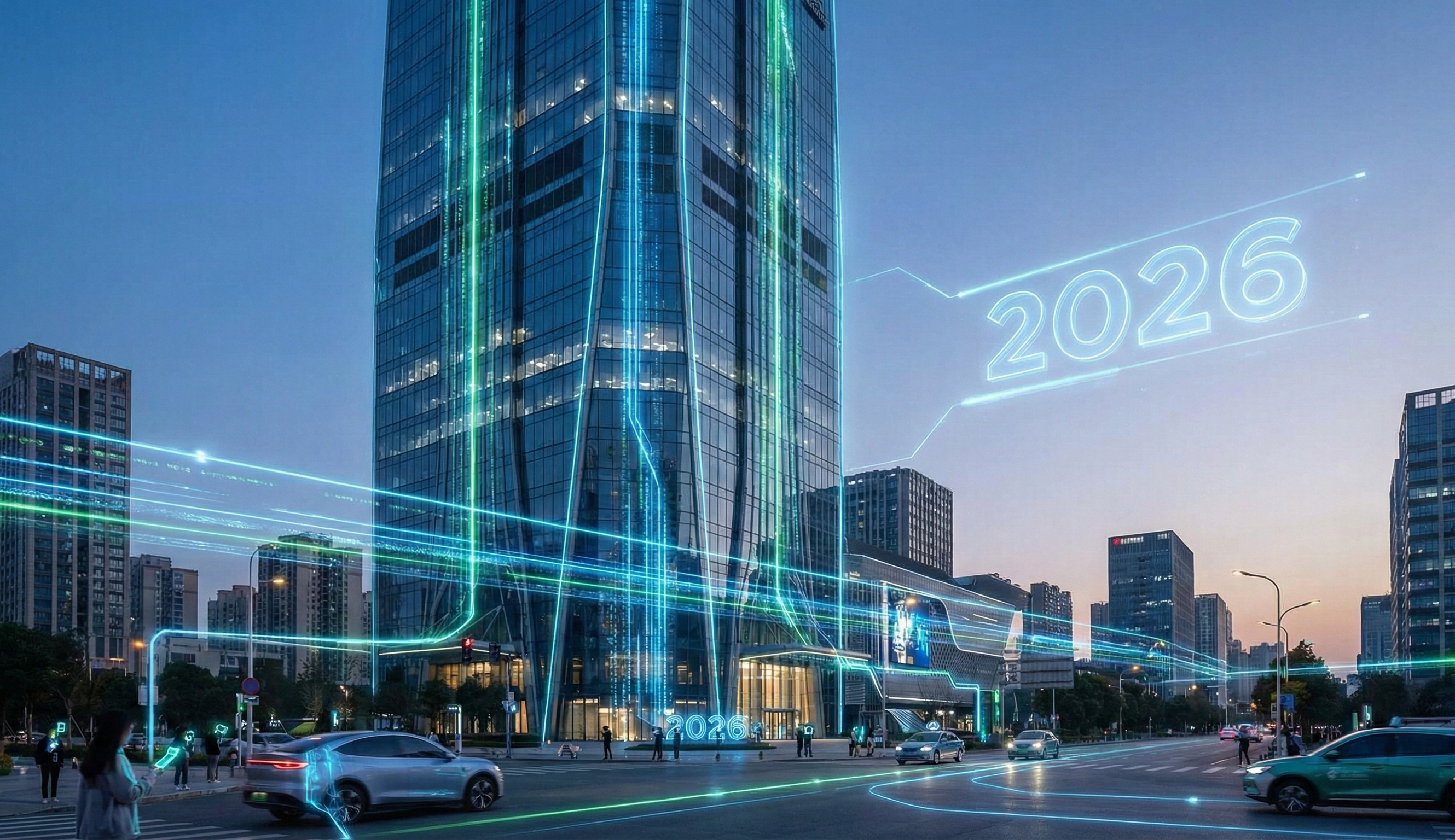
2026 marks a turning point for the industry that can no longer be overlooked.
Many things that once seemed stable are shifting, and the effects reach operations faster and more directly. In this dynamic, one point becomes especially clear: automation is no longer an energy project, but a core component of risk management. Buildings that only react instead of actively controlling lose value more quickly in volatile markets as inefficient assets, because load peaks, faulty controls, and disruptions hit without restraint. Energy price spikes, which used to take quarters to develop, now occur within minutes and amplify this pressure. Automated systems create a level of protection that is no longer achievable manually. They reduce unplanned interventions, stabilize operations, and strengthen a building’s resilience well beyond pure efficiency gains. Those who understand why it is necessary to reorganize setpoints at this stage can clearly see that real-time capability determines whether a company remains future-proof.
Energy Markets 2026 as a Stress Factor for Operations and Budget
The energy industry is changing less gradually and more abruptly. Peak-load prices can now multiply within minutes, and flexible tariffs reward those who can react quickly. As a result, building technology suddenly becomes an active market participant. For operators, this means that the traditional logic of predictable annual budgets is breaking down. Economic success depends on how agilely a portfolio reacts to fluctuations and how well systems can make real-time decisions to control costs and stabilize performance.
Intelligent Reactions as a Response to Growing Technical Complexity
The shift becomes even clearer in daily operations. Facility teams are increasingly confronted with situations that cannot be planned. A cooling unit runs at full output due to unexpected outdoor temperatures even though the building is only half occupied. Ventilation systems run at full capacity because a timer has not been checked for weeks. These small inefficiencies accumulate and strain costs, comfort, and ESG values. This is where automated reactions show their importance by identifying and correcting such situations before they become expensive.
Automation Creates Measurable Relief
These developments make one fact unmistakably clear: 2026 will be a year in which speed, precision, and automation will determine the future of portfolios. In many portfolios, 20 to 30 percent of avoidable operating costs still stem from faulty controls, delayed reactions, or unnecessary operating hours. Those who now implement solutions that not only visualize data but also connect them to clear action paths gain an advantage that directly results in lower load peaks, stabilized systems, and measurable operational reliability. Modern operators no longer wait for perfect conditions. They act now and make their buildings more intelligent, more resilient, and more scalable.
A decisive factor is a clear entry path. This includes systematically reviewing existing control logics and correcting faulty schedules, outdated rule chains, or unnecessary operating hours before they become cost factors. In the next step, operators should prioritize those automation use cases that have the greatest economic impact, such as dynamic peak-load management or adaptive heating and cooling curves, which often enable double-digit efficiency gains. At the same time, it is essential to transfer data streams from different sources into a consistent structure to implement initial real-time controls that show noticeable impact within a few weeks.
This pressure is rising especially now, because energy price volatility, ESG requirements, and technical complexity are intensifying at the same time and pushing classic operating models to their limits. This dynamic will be even more visible in 2026 and makes it clear that portfolios without active control are increasingly drifting into risk.